Category: Blogs

Dental implant, artificial tooth roots into jaw, root canal of d
October 30, 2025 by dental-360-admin 0 Comments

A Complete Guide to Dental Implants: Procedure, Benefits, and Recovery

Implant Surgery in Whitefield

Missing teeth can affect your smile, chewing ability, and overall confidence. If you’re considering a long-term solution, dental implants are one of the best options available today. At Dental 360, we provide advanced dental implant in Varthur and implant surgery in Whitefield to restore your smile naturally and effectively. This guide will walk you through the procedure, benefits, and recovery process of dental implants.


What Are Dental Implants?

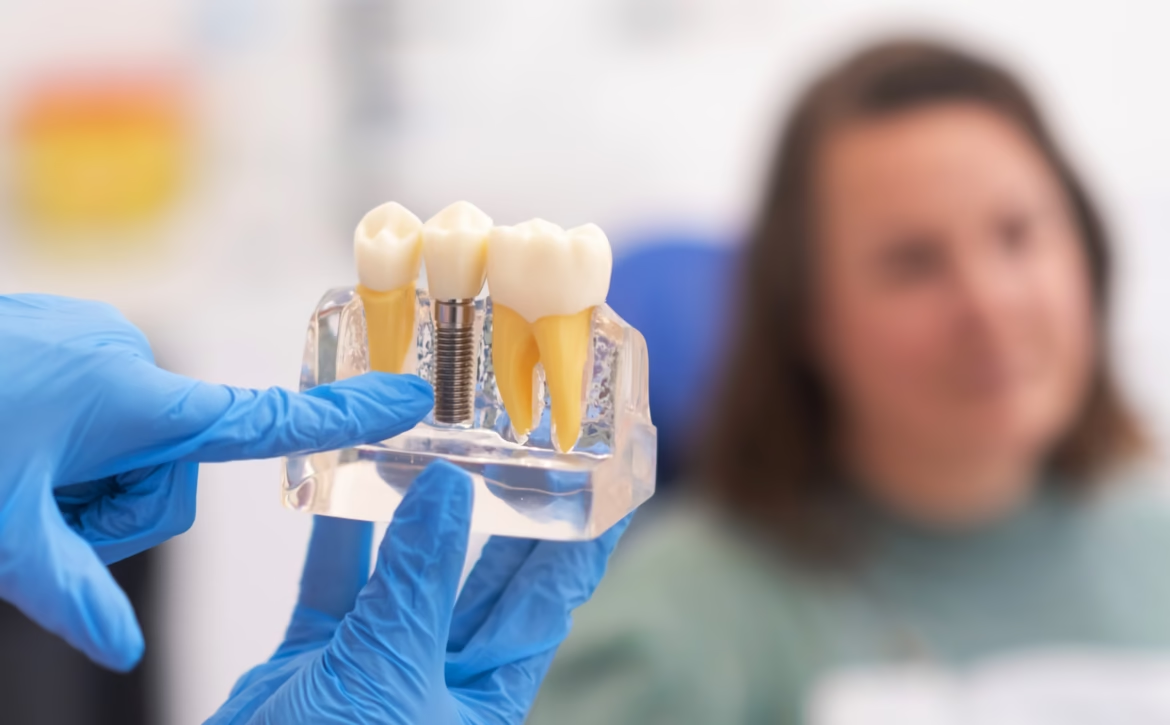
A dental implant is a small titanium post that is surgically placed into the jawbone to serve as an artificial tooth root. Once the implant integrates with the bone, it provides a strong foundation for a crown, bridge, or denture.

Key Points:

  • Replaces missing teeth naturally.
  • Prevents bone loss in the jaw.
  • Restores normal chewing and speaking function.
  • Offers a long-lasting solution compared to traditional dentures.

At Dental 360, our team ensures that every patient receives a customized implant plan based on their oral health and bone structure.


The Dental Implant Procedure

The implant surgery in Whitefield typically involves several steps to ensure the best outcome:

  1. Initial Consultation and Evaluation:
    • Comprehensive oral examination and X-rays.
    • Assess bone density to determine if a bone graft is needed.
  2. Implant Placement:
    • Local anesthesia ensures a painless procedure.
    • The titanium implant is surgically inserted into the jawbone.
    • Sometimes, a temporary crown is placed for aesthetics.
  3. Osseointegration:
    • The implant fuses with the jawbone over 3–6 months, creating a stable foundation for the crown.
  4. Abutment Placement:
    • After healing, an abutment is attached to the implant, connecting it to the final crown.
  5. Crown Placement:
    • A custom-made crown is fixed onto the abutment, completing the restoration.

At Dental 360, we follow the latest protocols to make implant surgery in Whitefield precise, comfortable, and effective.


Benefits of Dental Implants

Dental implants offer numerous advantages over traditional tooth replacement options:

  • Natural Look and Feel: Implants blend seamlessly with your existing teeth.
  • Durability: With proper care, implants can last a lifetime.
  • Improved Oral Health: Unlike bridges, implants don’t require grinding down adjacent teeth.
  • Bone Preservation: Implants stimulate the jawbone, preventing bone loss.
  • Enhanced Confidence: Restore your smile and ability to speak and chew comfortably.

Patients who choose dental implant in Varthur at Dental 360 often report higher satisfaction compared to other replacement methods due to these benefits.


Recovery After Dental Implants

Proper care after implant surgery in Whitefield ensures a smooth recovery and long-lasting results:

  • Immediate Post-Surgery Care:
    • Use prescribed pain medication or antibiotics.
    • Apply ice packs to reduce swelling.
    • Avoid hard or chewy foods for a few days.
  • Oral Hygiene:
    • Brush gently around the implant area.
    • Use a soft-bristled toothbrush and antiseptic mouthwash.
  • Follow-Up Visits:
    • Regular check-ups to monitor healing and integration.
    • Ensure the crown fits perfectly and functions well.
  • Lifestyle Considerations:
    • Avoid smoking, which can slow healing.
    • Maintain a balanced diet to support bone and tissue health.

At Dental 360, we provide detailed aftercare instructions to ensure that every patient’s dental implant in Varthur heals successfully and performs optimally.


Who Is a Candidate for Dental Implants?

Most patients with missing teeth and healthy gums are good candidates. However, certain factors are considered:

  • Sufficient jawbone density or availability for bone grafting.
  • No uncontrolled systemic conditions such as diabetes.
  • Commitment to maintaining oral hygiene and regular dental visits.

Our specialists at Dental 360 carefully evaluate each patient to design a safe and effective implant surgery in Whitefield plan.


Conclusion

Dental implants are a reliable, long-lasting solution for missing teeth. From restoring function to enhancing appearance, they offer significant benefits over traditional dentures or bridges. By choosing dental implant in Varthur or implant surgery in Whitefield at Dental 360, you are opting for expert care, modern techniques, and a confident, natural-looking smile.

If you are considering replacing a missing tooth or improving your smile, contact Dental 360 today to schedule a consultation and find out if dental implants are the right choice for you.

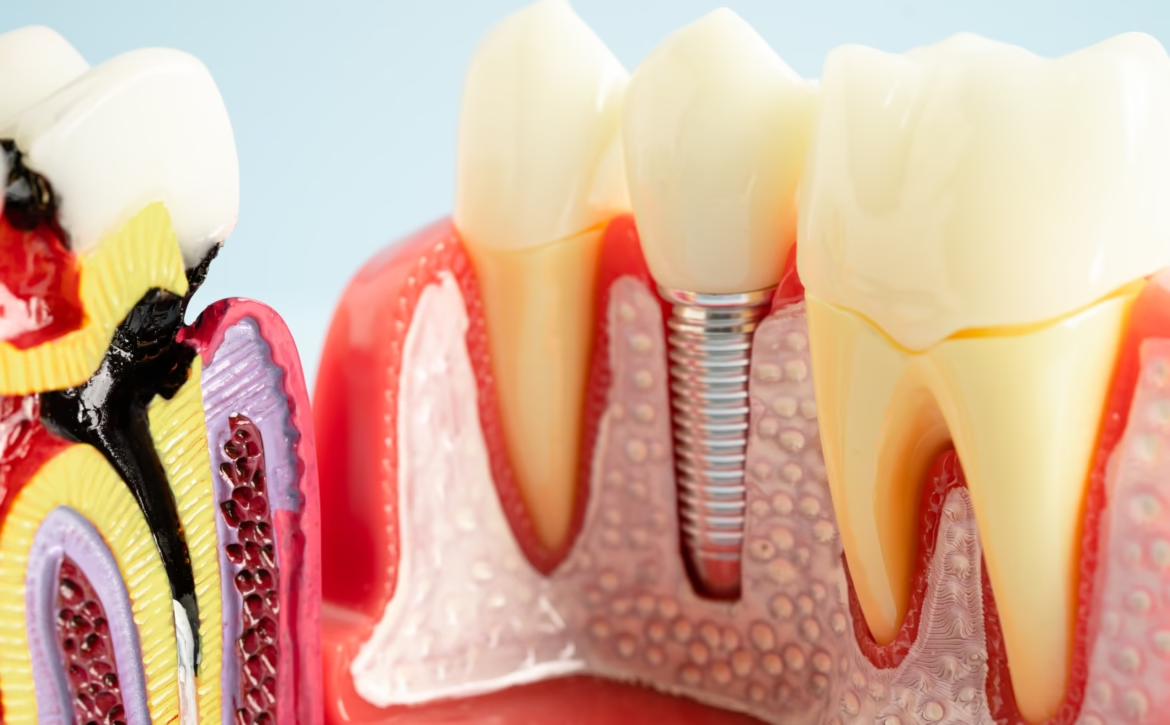
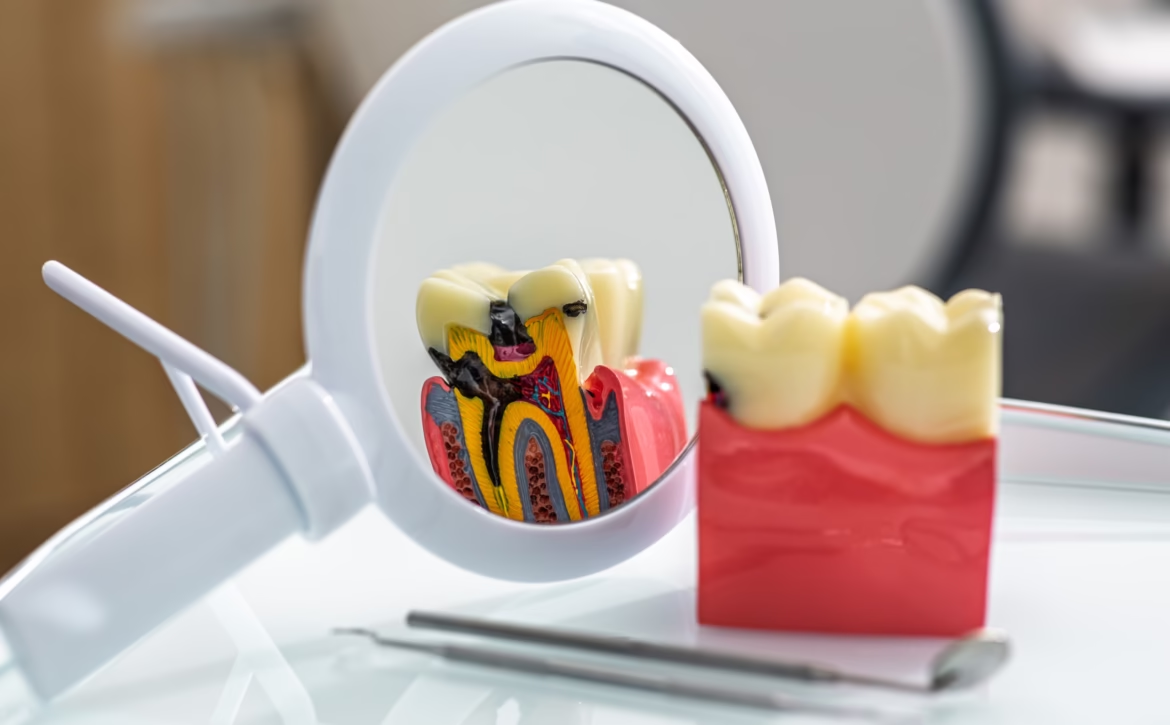
Anatomical tooth model with layers displayed with dental tools, illustrating dental care practices. Dental health
October 30, 2025 by dental-360-admin 0 Comments

Root Canal vs Tooth Extraction: Which Is Right for You?

Root Canal Treatment in Varthur Main Road

Dental problems like severe tooth pain or infection can be stressful and confusing. Many patients often face a critical decision: should they opt for a root canal treatment or go for a tooth extraction? At Dental 360, we understand the importance of making the right choice for your oral health. In this blog, we will break down these two treatments, their benefits, and which might be the best option for you.


Understanding Root Canal Treatment

A root canal treatment in Varthur Main Road is designed to save a tooth that is badly decayed or infected. The procedure involves removing the infected or damaged pulp inside the tooth, cleaning and disinfecting the area, and then sealing it to prevent further infection.

Benefits of Root Canal Treatment:

  • Preserves your natural tooth – Keeping your natural tooth helps maintain proper chewing and bite alignment.
  • Prevents bone loss – A healthy tooth root keeps the jawbone strong.
  • Long-lasting results – With proper care, a root canal-treated tooth can last a lifetime.
  • Pain relief – Contrary to common belief, modern root canal procedures are painless, thanks to local anesthesia.

At Dental 360, we prioritize patient comfort and use advanced techniques to ensure that root canal treatment is efficient, safe, and as comfortable as possible.


When Tooth Extraction Is Necessary

While saving a tooth is always ideal, there are certain situations where tooth extraction in Whitefield may be the better option:

  • Severe tooth decay – If the tooth is damaged beyond repair, extraction may be necessary.
  • Advanced infection – Infection that has spread to surrounding bone or tissue may require removal.
  • Crowded teeth – Sometimes extraction is needed to make space for proper alignment, especially before orthodontic treatments.
  • Fractured teeth – If the tooth is broken below the gum line, it may not be possible to restore it.

At Dental 360, our dental specialists evaluate each case carefully to recommend the treatment that ensures your overall oral health is protected.


Comparing Long-Term Outcomes

When deciding between a root canal treatment in Varthur Main Road and tooth extraction in Whitefield, it’s important to consider long-term outcomes:

AspectRoot CanalTooth Extraction
FunctionalityPreserves natural tooth, normal chewingMay require bridge, denture, or implant to restore function
Healing TimeTypically 1-2 weeks for full recovery2-4 weeks for gum healing; additional time for replacement options
CostGenerally less expensive than extraction plus replacementExtraction cost may be less but replacement may cost you additional charges.
AppearanceNatural tooth remains, maintaining smile aestheticsMay need prosthetics to restore appearance

Saving a natural tooth with a root canal often provides better long-term results in terms of functionality and oral health, but extraction may sometimes be unavoidable.


Myths & Facts About Root Canals

Root canal procedures are often misunderstood, leading to unnecessary fear. Let’s clear some common myths:

  • Myth 1: Root canals are painful.
    Fact: Modern techniques and anesthesia make root canal treatments virtually painless. Most patients feel relief rather than discomfort after the procedure.
  • Myth 2: Tooth extraction is better than a root canal.
    Fact: Saving your natural tooth is almost always preferable. Extraction should only be considered when the tooth cannot be restored.
  • Myth 3: Root canal-treated teeth need frequent retreatment.
    Fact: With proper care, a root canal-treated tooth can last a lifetime. Retreatment is rare and usually due to new decay or injury.

At Dental 360, we educate our patients to make informed decisions and dispel common misconceptions about dental procedures.


Aftercare Tips for Both Procedures

Proper aftercare is essential for a smooth recovery, whether you choose a root canal treatment in Varthur Main Road or tooth extraction in Whitefield:

Root Canal Aftercare:

  • Avoid chewing hard foods on the treated tooth until the crown is placed.
  • Maintain excellent oral hygiene – brush twice daily and floss gently.
  • Schedule regular check-ups to monitor the tooth and surrounding gums.

Tooth Extraction Aftercare:

  • Follow your dentist’s instructions regarding gauze placement and bleeding control.
  • Avoid smoking or drinking through straws, which can dislodge the blood clot.
  • Eat soft foods for a few days and keep the area clean to prevent infection.
  • Discuss replacement options such as implants or bridges to restore function and appearance.

At Dental 360, our dental team provides detailed aftercare instructions for every procedure, ensuring you heal quickly and maintain optimal oral health.


Conclusion

Choosing between a root canal treatment in Varthur Main Road and a tooth extraction in Whitefield depends on the condition of your tooth, overall oral health, and long-term goals. Whenever possible, saving your natural tooth through a root canal is recommended, as it preserves function, aesthetics, and jaw health. However, extraction may be necessary in severe cases.

At Dental 360, we combine modern dental technology with patient-centered care to help you make the right choice for your smile. If you are experiencing tooth pain or decay, don’t wait—consult our experts today to explore the best treatment for you.

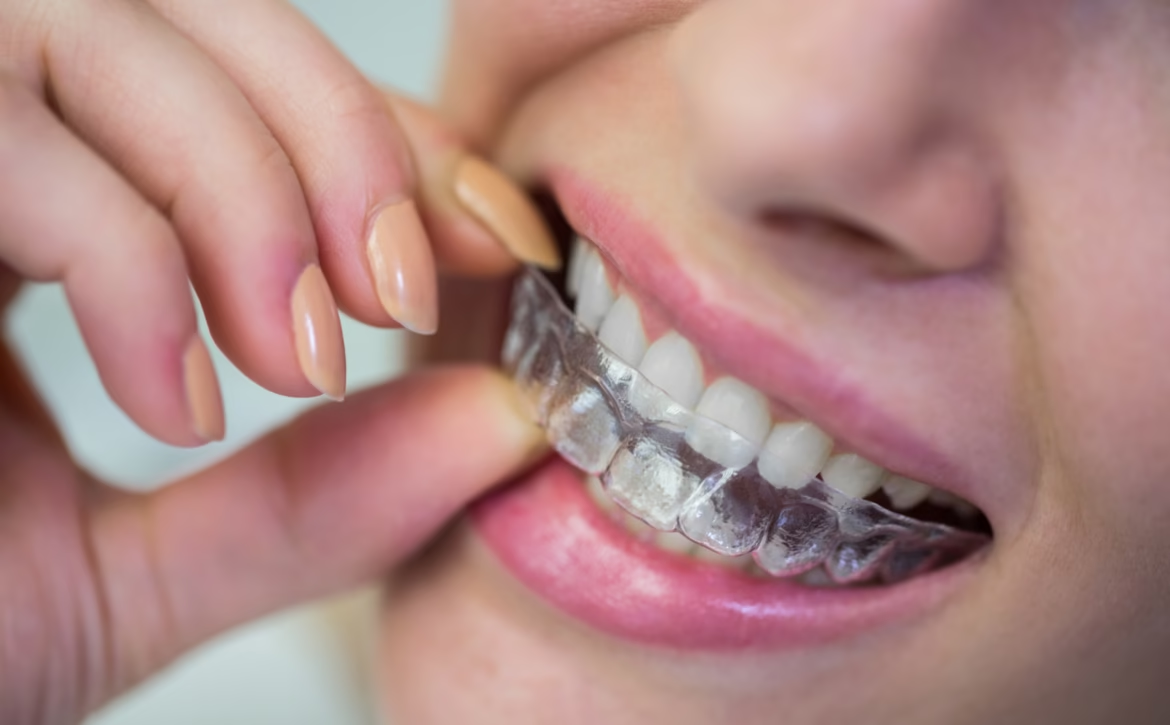
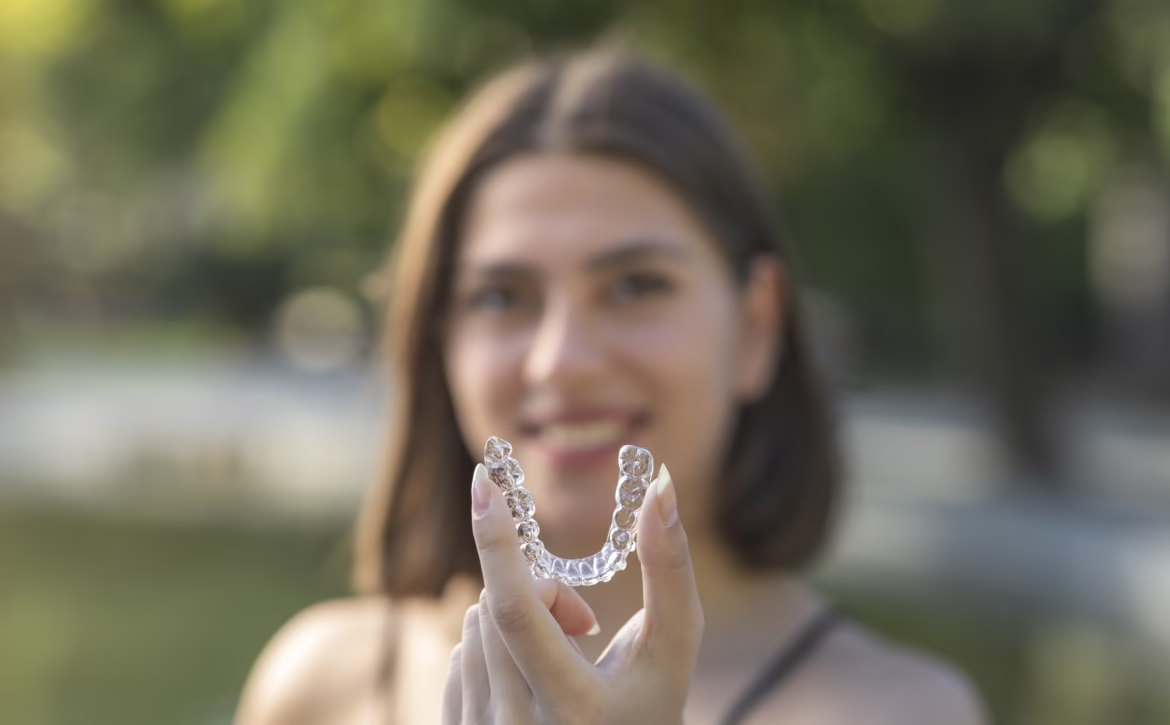
Beautiful smiling Turkish woman is holding an invisalign bracer
October 29, 2025 by dental-360-admin 0 Comments

First-Week Soreness & Tray-Change Discomfort: What’s Normal and How to Feel Better Fast

Switching to a new aligner set can make your teeth feel tender, your trays feel tight, and your speech sound slightly different for a few days. That’s normal—and it’s a sign your teeth are moving. If you’re comparing providers for Best Aligners in Whitefieild, this guide explains exactly what to expect in week one and how to stay comfortable while keeping treatment on track.

Why the First Days Feel Sore

Each new set of trays applies gentle, targeted pressure to the periodontal ligament (the tiny, elastic fibers that hold teeth in place). As those fibers remodel, your teeth shift. The body perceives that pressure as tenderness—most noticeable when biting or touching specific teeth.

  • Days 1–3: Mild pressure or soreness peaks. Trays may feel tight, and certain teeth can ache when you bite into firm foods.
  • Days 4–5: Sensations ease noticeably as the tissues adapt to the new position.
  • Days 6–7: Discomfort is usually minimal; aligners feel routine again.

About That Slight Lisp

Some people notice a temporary lisp when they first insert a new set. Your tongue is incredibly adaptive, but it needs a little time to learn the tray edges and the extra micromillimeters of space. Read aloud for five minutes, twice daily, and the lisp typically fades by day five.

Fast Comfort Tips That Work

Use these simple, evidence-informed habits whenever you switch trays:

  1. Change trays at night. Sleep through the peak adjustment hours so you wake with less tenderness.
  2. Over-the-counter pain relief (if needed). A standard dose of ibuprofen or acetaminophen can help during days 1–3. (Avoid if contraindicated; when in doubt, ask your dentist.)
  3. Cold water rinses. Sip or swish chilled water to calm tissues—easy, drug-free relief.
  4. Chewies to “seat” trays. Bite gently on aligner chewies for 5–10 minutes after inserting new trays, then 2–3 times a day. Proper seating reduces pressure points and improves tracking.
  5. Commit to 22 hours/day. Consistent wear keeps movement smooth and prevents re-tightening pain when trays are out too long.
  6. Soft foods first. Choose soups, yogurt, dal, rice, bananas, or eggs on days 1–2; return to normal textures as tenderness eases.
  7. Hands-only removal technique. Lift from the molars on both sides, then the front—don’t pry with utensils.
  8. Stay hydrated. Dry tissues feel more irritated; water also helps keep trays fresh.

Prevent Staining and Funky Smells

Discomfort can feel worse if trays look or smell off. Keep them clear and clean:

  • Remove aligners for anything except plain water.
  • Brush teeth (and rinse trays) before reinserting after meals.
  • Use approved cleaning crystals or mild, unscented soap—skip hot water and abrasive toothpaste.
  • Store trays in a ventilated case; never in a napkin (easy to lose).

Best Aligners in Whitefieild


When to Call Your Dentist

Most soreness is routine. Reach out if you notice:

  • Sharp, worsening pain after day 3–4 or pain that wakes you at night
  • Cracked or sharply edged trays irritating your cheeks or tongue
  • A visible “air gap” that chewies can’t resolve
  • A lost/loose attachment or a tray that won’t seat fully
  • Ulcers that don’t begin improving within 3–5 days

Prompt tweaks keep treatment on time and comfortable.

Habits That Speed Results

Think of aligner tenderness like post-workout soreness: it’s a sign of progress, and smart recovery accelerates gains.

  • Wear time discipline. Use your phone or smartwatch to track 22 hours/day.
  • Set a tray-change ritual. Night change, chewies, cold rinse, soft dinner—repeat every switch day.
  • Protect enamel. Fluoride toothpaste and nightly brushing lower sensitivity and cavity risk during treatment.
  • Mind the beverages. Coffee, tea, and red wine can stain attachments; remove trays and rinse before reinserting.
Fit and Planning Matter

Good planning reduces discomfort. Accurate scans, thoughtful staging, and well-placed attachments create smoother movements with fewer pressure spikes. If you’re evaluating providers promising Best Aligners in Whitefieild, ask how they design each step, how often they monitor tracking, and whether they use chewies and wear-time coaching to keep progress steady.

A Quick Day-by-Day Playbook
  • Day 0 (Night): Insert new set, chewies 10 minutes, OTC pain relief if needed, sleep.
  • Day 1: Cold water rinses; soft foods; read aloud to minimize lisp.
  • Day 2: Repeat chewies; short bursts of gentle chewing with soft foods to desensitize.
  • Day 3: Transition toward normal diet; tenderness should be easing.
  • Day 4–5: Lisp and tightness usually minimal; keep wear time strict.
  • Day 6–7: Stable comfort; prepare next set and case for the upcoming switch.
The Bottom Line

Mild pressure and tightness in the first three days of each tray—and a short-lived lisp—are expected parts of aligner therapy and usually fade by day five. With smart habits—OTC pain relief if required, cold water rinses, chewies, and full 22-hour wear—you’ll keep discomfort low and results high. To personalize these tips and ensure your trays track perfectly, book a review with a clinic known for Best Aligners in Whitefieild.

Ready to start or fine-tune your plan? Schedule a consultation, bring your current trays and case, and we’ll map a comfortable path to your goal smile—because consistent progress, not constant pain, is the hallmark of Best Aligners in Whitefieild.

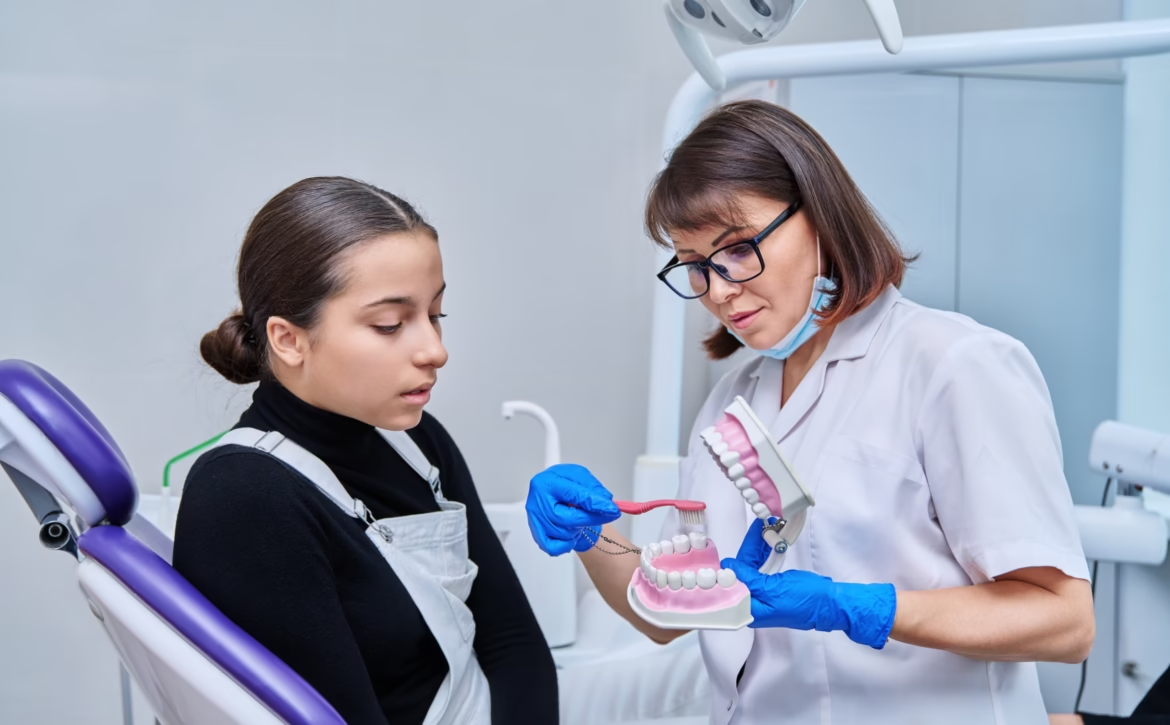
Teenage female sitting in dental chair, doctor with jaw model and toothbrush
October 14, 2025 by dental-360-admin 0 Comments

Daily Dental Care, When to See the Doctor & The Importance of Regular Check-Ups

Maintaining good oral hygiene is more than just keeping your teeth clean — it’s about supporting your overall health, confidence, and quality of life. A healthy mouth helps you eat, speak, and smile without discomfort. While regular visits to a dentist are essential, daily dental care plays the most critical role in preventing common dental issues such as cavities, gum disease, and bad breath.

In this blog by Dental-360, we’ll explore the fundamentals of daily dental care, signs that indicate it’s time to visit the dentist, and why regular check-ups are essential for long-term oral health.


Daily Dental Care: The Foundation of a Healthy Smile

Consistent, proper dental care at home is your first line of defense against oral diseases. Most dental issues develop slowly over time, and daily habits can either prevent or accelerate them. Here are the key elements of effective daily dental care:

1. Brush Twice a Day, Every Day

Brushing your teeth twice daily — once in the morning and once before bed — removes plaque, food particles, and bacteria that can lead to tooth decay and gum infections. Use a soft-bristled toothbrush and fluoride toothpaste.

  • Technique matters: Hold your brush at a 45-degree angle to your gums and make gentle, circular motions. Avoid aggressive brushing, which can damage your gums and enamel.
  • Time it right: Brush for at least two minutes each time, ensuring you cover all surfaces of your teeth — front, back, and chewing surfaces.
2. Floss Daily to Clean Between Teeth

Brushing alone cannot clean the tight spaces between your teeth. Daily flossing removes plaque and food particles from areas your toothbrush can’t reach. Regular flossing helps prevent cavities and reduces the risk of gum disease. If you find traditional floss difficult to use, interdental brushes or water flossers can be great alternatives.

3. Rinse With Mouthwash

An antimicrobial or fluoride mouthwash can help reduce plaque, freshen breath, and protect against decay. Use mouthwash after brushing and flossing to maximize its effectiveness.

4. Eat a Balanced, Tooth-Friendly Diet

What you eat plays a major role in your oral health. Limiting sugary snacks, carbonated drinks, and sticky foods reduces your risk of cavities. Include calcium-rich foods like dairy products, leafy greens, and nuts to strengthen your teeth and bones. Crunchy fruits and vegetables like apples, carrots, and cucumbers also help clean your teeth naturally and stimulate saliva flow, which protects against decay.

5. Stay Hydrated

Drinking plenty of water helps wash away food particles and neutralize acids produced by bacteria in your mouth. Fluoridated water also strengthens tooth enamel, making it more resistant to decay.


Best Dental Doctor in Varthur


When to See the Dentist

Even with excellent daily care, there are times when professional dental attention becomes necessary. Knowing the right time to visit the dentist can prevent minor issues from becoming major problems.

1. Tooth Pain or Sensitivity

Persistent pain, throbbing, or sensitivity to hot, cold, or sweet foods is often a sign of underlying issues like cavities, enamel erosion, or infections. Early treatment can save you from complex procedures later.

2. Bleeding or Swollen Gums

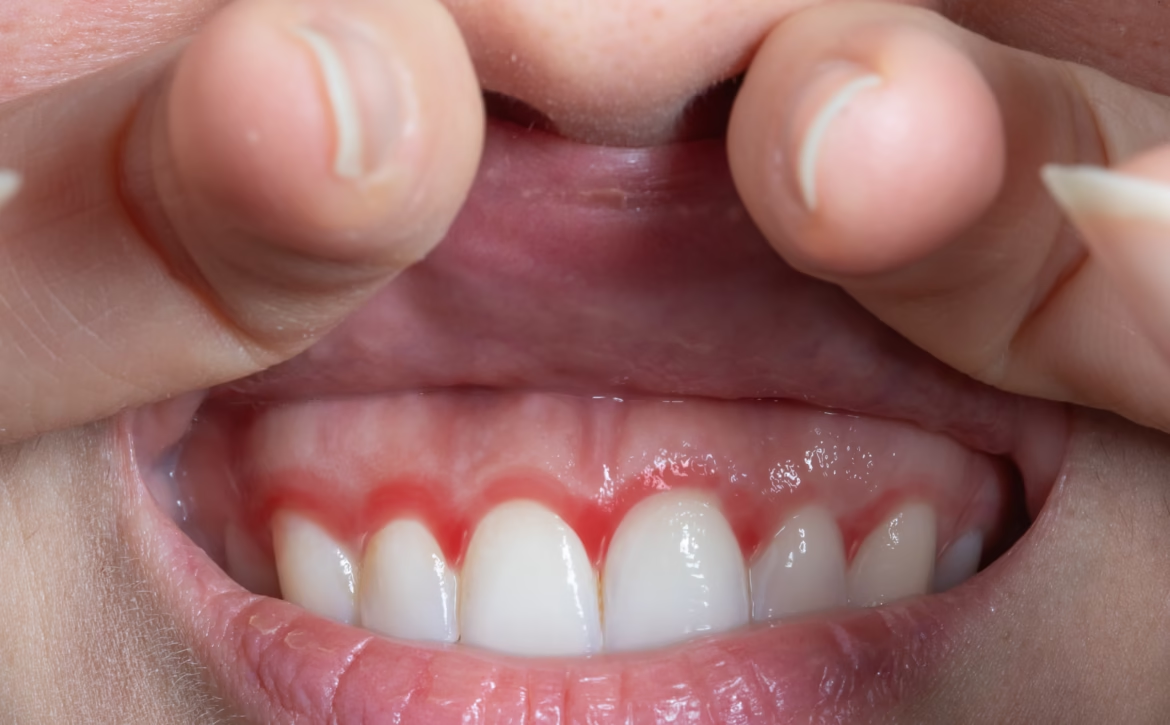
Bleeding while brushing or flossing isn’t normal. It’s often an early sign of gingivitis (gum inflammation). If left untreated, gingivitis can progress to periodontitis, a serious gum disease that may lead to tooth loss. Prompt dental visits help treat the condition before it worsens.

3. Persistent Bad Breath or Unpleasant Taste

Chronic bad breath can indicate gum disease, cavities, or other oral health problems. If regular brushing and flossing don’t solve the issue, it’s time for a dental check-up.

4. Loose Teeth or Changes in Bite

Adult teeth should never feel loose. If they do, it may signal advanced gum disease or bone loss. Additionally, changes in how your teeth fit together when you bite could indicate shifting teeth or jaw problems.

5. Mouth Sores or Spots That Don’t Heal

Sores that persist for more than two weeks, white patches, or lumps inside your mouth should be examined by a dentist. These could be signs of infections, irritations, or — in rare cases — early indicators of oral cancer.

6. Cosmetic Concerns

Even if you don’t have pain, you may want to visit the dentist to address aesthetic issues such as staining, crooked teeth, or gaps. Modern dental solutions like whitening, veneers, and clear aligners can transform your smile with ease.


The Importance of Regular Dental Check-Ups

Daily home care is crucial, but professional check-ups are equally important for comprehensive oral health. Visiting the Best Dental Doctor in Varthur regularly ensures that your teeth and gums receive expert evaluation and preventive care.

1. Early Diagnosis Saves Teeth and Money

Many dental problems — like cavities and gum disease — don’t cause pain until they reach advanced stages. Regular check-ups allow your dentist to identify problems early, when treatment is simpler, less invasive, and more affordable.

2. Professional Cleaning for Deeper Protection

Even the best brushing and flossing can’t remove hardened tartar (calculus). During check-ups, professional cleaning removes tartar buildup, which prevents decay, gum disease, and bad breath.

3. Personalized Oral Health Advice

Every mouth is different. Regular visits give the Best Dental Doctor in Varthur the opportunity to offer personalized advice tailored to your dental habits, diet, and oral hygiene routine.

4. Preventing Future Complications

Routine check-ups can prevent small issues from escalating into root canals, extractions, or gum surgeries. Preventive dentistry focuses on long-term preservation of natural teeth and healthy gums.

5. Monitoring Growth and Alignment in Children

For children and teenagers, regular dental visits help monitor the development of teeth and jaws. Early orthodontic evaluations can identify alignment issues and allow for timely intervention.


Why Choose Dental-360

Dental-360 is committed to providing comprehensive dental care for the whole family, blending advanced technology with personalized attention. Whether you need preventive check-ups, restorative care, or cosmetic enhancements, our experienced team ensures that every visit is comfortable, educational, and effective.

From routine cleanings to advanced treatments, we focus on delivering top-quality care so you can maintain excellent oral health. Our goal is to ensure that when you search for the Best Dental Doctor in Varthur, you find trusted, patient-centric care at Dental-360.


Take Charge of Your Oral Health Today

Daily dental care and regular check-ups go hand in hand in protecting your smile. Brushing and flossing are essential daily habits, but professional cleanings, preventive screenings, and early treatment make all the difference in long-term oral health.

If you’re experiencing any dental issues, or simply want to maintain a healthy smile, schedule a check-up with the Best Dental Doctor in Varthur at Dental-360.

Book your appointment today and take the first step toward a brighter, healthier smile.